
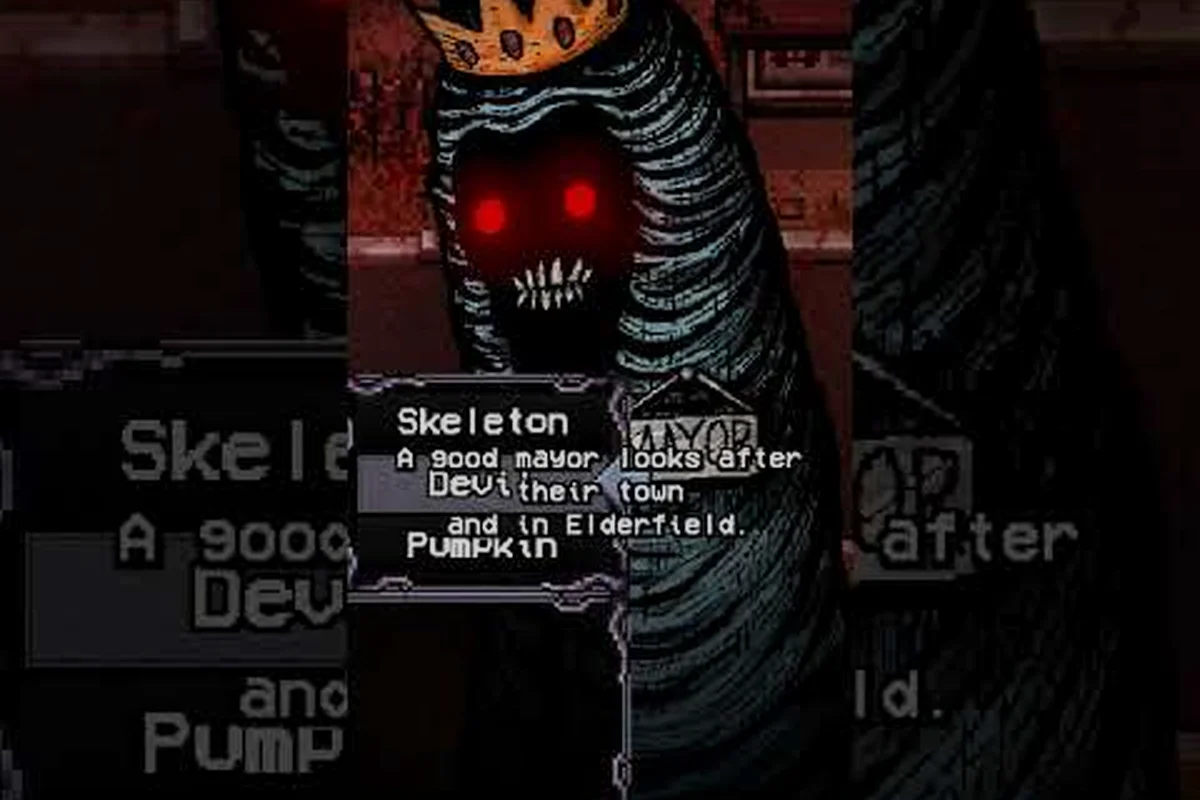
Understanding Welcome to Elderfield Town Hall Meetings
Welcome to Elderfield town hall meetings form the civic backbone of the game, turning casual residents into a reactive electorate whose choices ripple through festivals, shops, and romance routes. Every in-game week the mayor convenes residents inside the old municipal hall, and the dialogue tree you pick rewires how the town responds to your arrival, your gifts, and your wardrobe. Players who ignore these assemblies quickly notice that vendors close early, NPCs stop greeting them, and festival rewards feel stingier than they should.
The meetings work on a layered social system. You first earn the right to attend by completing the introductory errand for the town clerk, after which a recurring Civic Agenda board lists three proposals per session: a tax adjustment, a festival theme, and a building project. Each proposal links directly to a vote, and the vote outcome is determined by a hidden combination of your dialogue options, your prior relationship scores, and a Community Mood meter that shifts based on your last seven in-game days of behavior. According to the official store page on Steam, Elderfield's branching dialogue trees are central to the social simulation design, which means a careless line in the town hall can quietly close off a romance flag for the entire playthrough.
A common misconception among new residents is that the meetings are flavor content. In practice, the agenda items feed into tangible mechanics: a passed Lantern Festival vote grants a +15% shop discount for the festival week, while a failed Road Repair vote increases travel time to the exploration guide and its documented map locations by roughly one extra in-game minute per route. The meetings are also the only reliable way to unlock the Founders' Mural side quest, which gates the best ending. Treat every town hall session as a small political campaign rather than a cutscene.
How Dialogue Options Shape Civic Outcomes
Welcome to Elderfield dialogue options inside the hall are not flavor text. Each line is tagged with an internal alignment value that the game sums against your current reputation, and the totals determine whether the mayor adopts, tables, or vetoes a proposal. Players who read carefully will notice subtle cues such as parenthetical stage directions — leans forward or glances at the ledger — which signal whether the line boosts a Diplomatic, Reformist, or Traditionalist leaning.
Reading the Three-Line Response Pattern
Most proposals present a prompt, a brief NPC reaction, then three numbered responses. The middle option is rarely the safest; community data shared on the Steam Discussions thread shows that choosing the top option tends to favor quick civic wins, while the bottom option usually carries long-term relationship bonuses but slower tangible progress. The trick is to match the line to your current goal. If you are building toward a Romance route with Celeste, choosing lines that boost the Archivist faction is more effective than chasing a flat reputation bump, because faction loyalty is what unlocks her private study cutscene.
Alignment Tags and Hidden Outcomes
| Dialogue Archetype | Alignment Shift | Typical Reward | Common Pitfall |
|---|---|---|---|
| Diplomatic | +2 Civic Trust, +1 NPC Affection | Unlocks a compromise festival variant | Can appear wishy-washy to Traditionalists |
| Reformist | +3 Progress Points, -1 Traditionalist Mood | Triggers new shop inventory early | May anger elder NPCs like the town doctor |
| Traditionalist | +2 Elder Favor, +1 Festival Buff | Locks in legacy reward multipliers | Slows down building projects by one week |
| Neutral / Curious | +1 Hidden Lore, +0 Reputation | Reveals backstory for the town doctor arc | No immediate mechanical gain |
Reformist dialogue is the highest-variance option. Picking it three sessions in a row will push the mayor toward the Modernization branch, which unlocks the solar lamp upgrade for the central plaza but also forces the abandoned church location from the library and archive guide into a restricted state for a full in-game month. If you need access to the church for Celeste's quest chain, do not stack Reformist lines past the second vote.
Community Events and the Weekly Vote Cycle
Welcome to Elderfield community events branch directly from town hall votes, which is why a careful read of the agenda board pays off more than blind participation. Each in-game week contains one mandatory meeting on Sunday morning inside the municipal hall, one optional Emergency Session triggered by a town crisis, and a chain of micro-events that fire when a vote passes. The Sunday meeting lasts roughly six in-game minutes, but the decisions echo for the next two weeks.
Standard Week Flow
| Day | Trigger | What Happens | Player Action |
|---|---|---|---|
| Sunday | Civic Agenda board refreshes | Mayor introduces three proposals | Cast your vote, choose a dialogue line |
| Monday–Tuesday | Vote resolution | Faction mood shifts, shop discounts apply | Visit affected vendors before the buff expires |
| Wednesday | Festival prep (if vote passed) | Town square gets a new decoration | Donate materials for a hidden affinity bonus |
| Thursday–Saturday | Community event runs | Mini-games, dance sequences, secret NPC spawns | Track which NPC spawned where |
| Following Sunday | Post-event debrief | Reputation summary, new proposal unlocked | Plan next vote |
The Emergency Session fires when the town's Prosperity index drops below 40 or when a specific storyline event occurs, such as a monster sighting near the Whispering Woods. Sessions triggered by crisis cannot be skipped and always present a Reformist-leaning agenda. Players who have built strong Diplomatic standing find it easier to steer the crisis toward a compromise, while those with Traditionalist loyalty are funneled into a defensive outcome that locks down travel routes.
Festival preparation is where Welcome to Elderfield outfits and clothing choices start to matter. A vote that passes the Harvest Dance triggers a costume mini-game on Wednesday night, and the outfit you wear determines which NPCs approach you for a private conversation. Wearing the Velvet Mourning Dress at the dance unlocks a unique Abigail dialogue branch, while the Workshop Apron route triggers an exclusive Molly encounter that fast-tracks her heart event by one rank. This is one of the few places in the game where the social and the cosmetic systems meet, and skipping it is a common new-player mistake.
Character Customization and Its Civic Effects
Welcome to Elderfield character customization goes deeper than a simple avatar builder, and the choices you make at the start of the game quietly influence town hall attendance, dialogue reception, and even which festival variants the mayor will consider. The customization screen runs through three layered passes: a face and body selection pass, an outfit loadout, and a signature accessory slot that is visible to NPCs during cutscenes. Every option carries a hidden Social Read tag, which the game uses to bias early reactions.
The game is also available on PC via Steam, and according to the official store page, it supports community-driven town hall meetings where residents gather to discuss local issues and vote on proposals.
Face and Body Selection Impact
| Build Type | Civic Reaction | Best Paired Vote | Romance Hint |
|---|---|---|---|
| Soft features, warm palette | +1 to elder NPCs | Traditionalist proposals | Celeste, Abigail |
| Sharp features, cool palette | +1 to younger NPCs | Reformist proposals | Molly, the town doctor |
| Neutral / balanced | No shift | Diplomatic proposals | All routes viable |
| Gothic styling | +2 to occult NPCs | Emergency sessions | Abigail exclusive path |
Welcome to Elderfield face and body selection happens only once at the start of a save file, but the tags persist through every New Game+ cycle. Players who plan a long-term Abigail route should pick the gothic styling build because it stacks an additional +2 occult affinity on top of the +1 elder bonus from soft features, which is enough to unlock her first heart event two in-game weeks earlier than a neutral build. According to the Kwalee developer spotlight, every resident reacts to visible character customization choices, so the build you pick is essentially a passive dialogue modifier for the entire run.
Outfits and Clothing as Social Tools
Welcome to Elderfield outfits and clothing are not cosmetic-only. Each outfit carries a Social Mod value that affects how often NPCs initiate optional dialogue outside of scripted events. The base villager outfit has a Social Mod of 0, while faction-locked outfits such as the Apprentice Smock or the Townsfolk Vest push that value to +1 or +2, increasing the rate of random encounters in town square and the mall. The highest-tier outfits, earned through town hall vote chains, can reach a Social Mod of +3, which is the only way to consistently trigger the rare Evening Stroll encounters with heart-event-ready NPCs.
Outfits are earned through three streams: direct purchase from the mall boutique, craft via Molly's workshop using refined metal bars and fabric, or reward from a passed town hall vote. The vote-reward outfits are the most powerful because they are the only ones that combine a Social Mod bonus with a passive faction affinity. For example, the Reformist Tailcoat awarded after a successful Modernization vote grants +2 Social Mod and +1 Reformist mood, which makes subsequent votes for the same faction easier to swing. Players chasing efficiency should prioritize passing votes that award outfits first, then loop back to spend the resulting Social Mod bonus on heart-event progression.
Advanced Strategy: Building a Town Hall Win Streak
Winning consecutive town hall meetings in Welcome to Elderfield is a matter of stacking small advantages rather than chasing a single dramatic play. The most effective approach, based on community data shared by veteran players, is a two-week rotation that aligns your dialogue picks, your outfit loadout, and your gift-giving to reinforce a single faction for one cycle, then switch allegiances to catch the opposing faction off-balance. This rhythm lets you claim most of the outfit rewards without permanently locking yourself out of a rival route.
Step-by-Step Win-Streak Rotation
| Step | Action | Timing | Expected Gain |
|---|---|---|---|
| 1 | Read Sunday's Civic Agenda board | Sunday morning | Identify target faction |
| 2 | Switch into the matching faction outfit | Sunday before vote | +1 passive mood bonus |
| 3 | Cast a Reformist or Traditionalist line based on the target | During vote | +2 to +3 faction loyalty |
| 4 | Deliver a loved gift to that faction's anchor NPC | Monday | +1 to +2 hidden affinity |
| 5 | Skip the mid-week optional micro-event | Tuesday–Wednesday | Preserve the mood buff |
| 6 | Attend the post-event debrief on Sunday | Following Sunday | Reputation summary, next agenda preview |
The rotation works because the Community Mood meter decays by roughly 5% per in-game day, so a stacked two-week window is the maximum length you can hold a buff before it starts to leak value. Players who try to maintain a single faction for a full in-game month usually find that the meter bottoms out around week three, at which point the opposing faction's NPCs begin ignoring their dialogue lines entirely. Cycling prevents that burnout.
A second lever is the Civic Trust score, which is a hidden counter that rises by 1 every time the mayor accepts one of your proposals. Once it crosses 5, the mayor begins offering a private dialogue option after each vote that lets you redirect a portion of the town treasury toward your own projects. At 10, the Town Hall Renovation event unlocks, which expands the assembly room and adds two extra dialogue slots per session. Reaching 10 should be the goal for any player who wants the social sim to keep scaling smoothly past the first in-game season.
Practical Tips From the Steam Community
The Steam Discussions thread on town hall mechanics is full of small tricks that the game itself never documents. One recurring tip is to save before every Sunday meeting because the agenda is randomized and a poor draw can waste an entire week if your current faction mood is wrong. Veteran players also recommend keeping at least one Neutral dialogue line in your back pocket for Emergency Sessions, because the crisis vote is the only one where a Neutral line can outperform a faction line by giving you access to a hidden compromise reward.
Another community-reported trick is to visit Celeste's archive on the day of a vote, because her personal quest line includes a side event that grants +1 Civic Trust if you return a borrowed tome before the meeting. The book pickup is gated by the time of day, so plan to grab it before noon. The same principle applies to the fan art competition lore entries that occasionally surface trivia buffs and small Civic Trust bonuses, though the bonus is smaller than Celeste's. Combining these micro-actions is what separates a mid-tier town reputation from the elite +10 Civic Trust bracket that unlocks the renovation chain.
Finally, keep an eye on your outfit durability. Outfits degrade slightly each in-game week, and once durability falls below 50% the Social Mod bonus is halved. Molly's workshop can repair outfits for a small material cost, and repairing on the same day you cast a vote gives a hidden +1 mood bonus on top of the restored mod value. It is a small optimization, but the cumulative effect over a full playthrough is roughly two extra heart events that you would otherwise have missed.
Frequently Asked Questions
What time does the town hall meeting start in Welcome to Elderfield?
The mandatory Sunday meeting starts at 10:00 AM in-game time inside the municipal hall. Optional Emergency Sessions can fire at any hour, but they always trigger a banner notification roughly fifteen in-game minutes before they begin, so you have time to swap outfits and review your inventory.
How do I unlock the Reformist Tailcoat outfit?
You need to pass two consecutive Modernization votes at the town hall, then attend the post-event debrief on the second following Sunday. The mayor will offer the outfit as a reward, and it grants a +2 Social Mod plus a +1 Reformist mood bonus that stacks with future votes for the same faction.
Can I attend town hall meetings while dressed in casual clothing?
Yes, but the Social Mod of casual outfits is 0, which means NPCs will be less likely to initiate bonus dialogue. Outfits earned through vote chains or crafted at Molly's workshop push the Social Mod to +1 or higher, and that bonus is what unlocks most of the rare post-meeting encounters.
Does face and body selection affect romance availability?
Welcome to Elderfield face and body selection does not lock you out of any romance, but it does shift the starting affinity and the rate at which heart events fire. Gothic-styled builds get an early boost with Abigail, while sharp cool-palette builds accelerate Molly and the town doctor routes. Neutral builds have no bias and work for every path, just at the standard pace.
What happens if the mayor vetoes my proposal?
A veto costs you 1 Civic Trust and shifts Community Mood toward the opposing faction by 5%. The proposal is tabled for two in-game weeks, after which it returns to the agenda with a softened version. Use the gap to rebuild your faction mood with gifts and matching dialogue, because the re-listed version is easier to pass on the second try.